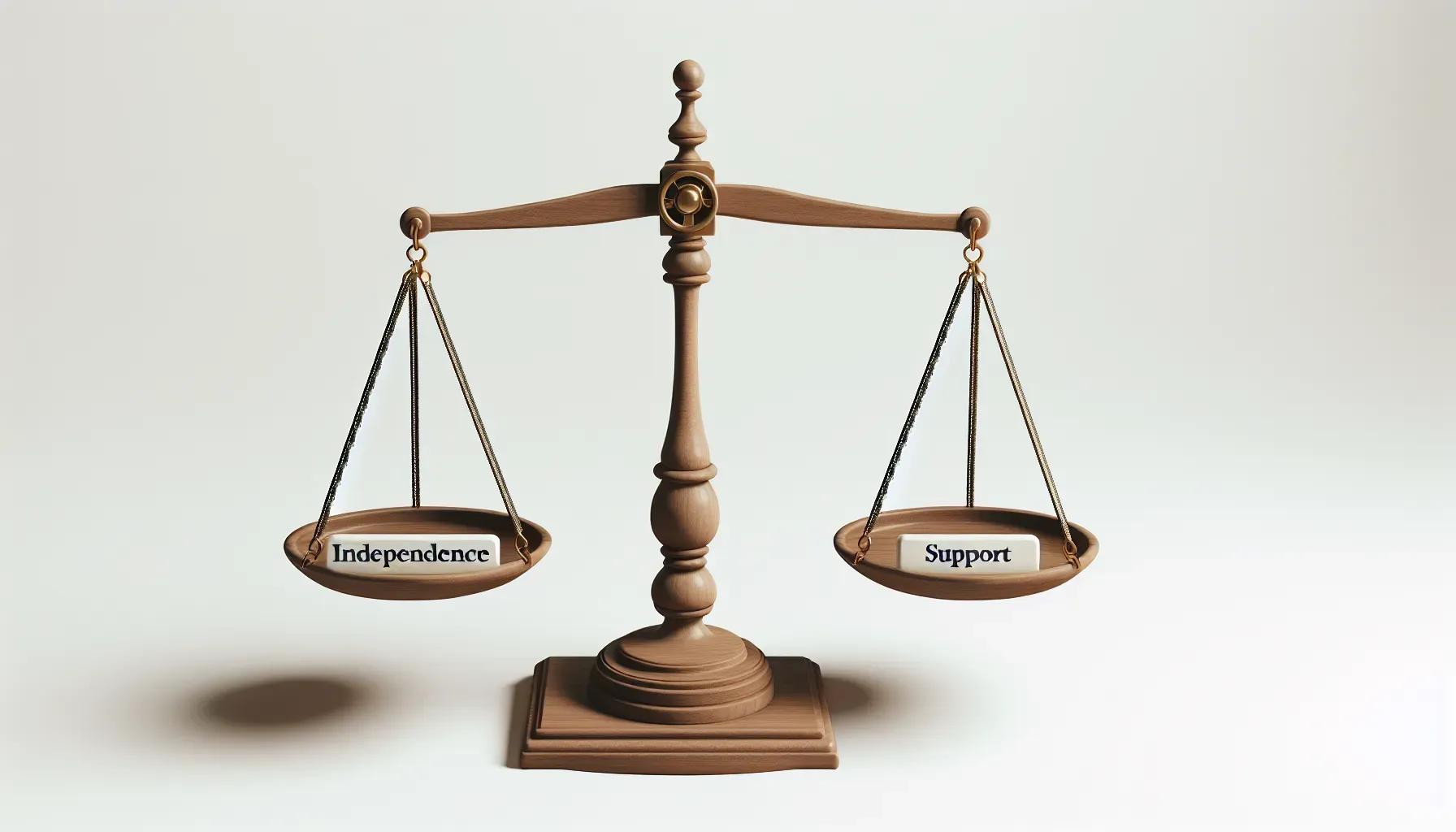

6 Tips for Balancing Independence and Support in Retirement
Navigating the golden years requires a delicate balance between self-reliance and seeking help. This guide illuminates practical strategies for achieving financial autonomy and staying engaged with community and interests. It also emphasizes the importance of early planning and open communication with family to foster a fulfilling retirement.
- Plan Early for Financial Independence
- Downsize for Financial Freedom
- Explore Part-Time Work Opportunities
- Stay Active in Community and Hobbies
- Prioritize Health to Reduce Care Needs
- Communicate Openly with Loved Ones
Plan Early for Financial Independence
Balancing independence and support in retirement is crucial, and my experience has taught me that early planning is key. I've spent over 40 years helping clients manage their finances, and a common theme is the importance of having multiple streams of income that blend passive income with active management. For example, I encouraged many small business owners to set up living trusts that not only protect their assets but also allow for seamless management and support when needed.
One case that stands out involved a client who owned several rental properties. By creating a comprehensive estate plan with a living trust, we ensured that the income from these properties could be managed by a designated individual if the client ever became incapable. This strategy preserved her independence by providing consistent income while adding a layer of support through legally appointed management.
I also advise creating a realistic budget that accounts for healthcare and long-term care needs. During my time as a CPA, I noticed clients often underestimated these costs, impacting their financial independence. By setting aside specific funds in a trust or earmarking retirement accounts for these expenses, you can maintain independence longer and secure necessary support when life's changes demand it.

Downsize for Financial Freedom
Downsizing your home can bring financial freedom. By moving to a smaller, more manageable home, retirees can reduce maintenance costs and free up resources for other activities. A smaller home also requires less upkeep and can provide a cozier, safer environment.
This change allows retirees to focus on enjoying their hobbies and interests without the burden of a large home. Take the time to explore housing options that offer both comfort and savings.
Explore Part-Time Work Opportunities
Exploring part-time work can be an excellent way to earn extra income during retirement. Many retirees find that part-time jobs provide a sense of purpose and engagement. Working a few hours a week can complement pension or savings income and make finances more secure.
Plus, it’s a great way to meet new people and stay socially active. Look for job opportunities that align with your interests and schedule.
Stay Active in Community and Hobbies
Staying active in your community and hobbies is essential for a fulfilling retirement. Engaging in local activities and pursuing hobbies keeps the mind sharp and the body healthy. It also helps retirees feel connected and supported by their community.
These activities can range from volunteer work to joining clubs or taking classes. Devote time to exploring new interests and building social connections.
Prioritize Health to Reduce Care Needs
Prioritizing health is crucial for reducing care needs during retirement. Regular exercise, a balanced diet, and routine medical check-ups can prevent many health issues. A healthy lifestyle not only enhances physical well-being but also boosts mental health.
This proactive approach can delay the need for extensive medical care, allowing retirees to enjoy a more independent lifestyle. Make healthy living a daily goal.
Communicate Openly with Loved Ones
Communicating openly with loved ones about needs and expectations is vital for a balanced retirement. Clear communication ensures that family members understand each other’s needs and can provide appropriate support. It also helps prevent misunderstandings and conflicts.
Being honest about one’s abilities and limitations allows for better planning and cooperation. Start conversations about future plans and support needs early.